
The Role of Luck in Gambling
Luck is often the first thing that comes to mind when discussing gambling, especially in casinos. Many players enter these establishments believing that fortune will favor them at the gaming tables or slot machines. In fact, some even seek out the best australian online casino to enhance their chances of winning. The notion that luck can influence the outcome of a game is deeply ingrained in the psychology of gambling, impacting the way players approach their strategies and expectations. It is crucial to recognize that while luck may seem pivotal, the reality of outcomes is driven by mathematical probabilities that govern casino games.
The randomness of each game indicates that luck plays a significant role in determining short-term outcomes. For example, a player might hit a jackpot on a slot machine after only a few spins, reinforcing the belief that they are “lucky.” However, each spin is independent, and the house edge ensures that, in the long run, the casino will profit. Thus, while players may experience luck in bursts, such as a winning streak, it can be misleading when considering long-term success and profitability in gambling.
Emotionally, players often attribute their wins and losses to luck, which can significantly affect their decision-making processes. For instance, a player who wins might feel emboldened to continue playing, while one who loses may chase their losses in hopes of a “lucky” turnaround. This reliance on luck can lead to irrational behaviors, such as increasing bets or playing more aggressively. Understanding the difference between luck and skill is vital for developing a more strategic approach to casino gaming, enabling players to make more informed choices.
Games of Chance vs. Games of Skill
In the world of casinos, games can be broadly categorized into those of chance and those of skill. Games such as roulette and slots are primarily chance-based, where the outcome is determined by random events. In these games, luck is the driving factor, as players have little to no control over the results. Strategies in chance-based games often revolve around betting patterns rather than influencing the game’s outcome. This distinction highlights the reliance on luck in these games, where players cannot alter the odds in their favor.
Conversely, games like poker or blackjack incorporate significant elements of skill. In these games, players can make decisions that influence their chances of winning, such as calculating probabilities, managing their bankroll, or reading opponents’ behaviors. While luck may still play a role in individual hands or rounds, successful players consistently rely on skill and strategy over time. This distinction emphasizes the importance of understanding the nature of the game being played when assessing the role of luck versus skill in achieving success.
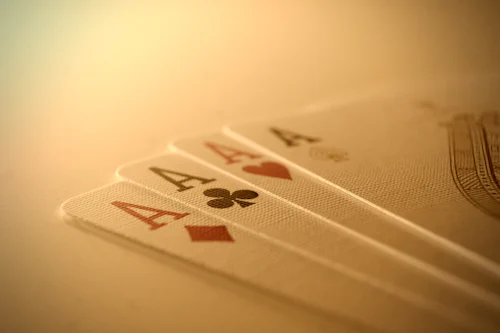
Furthermore, the mindset of players in skill-based games can differ significantly from those in chance-based games. Skilled players often treat their craft as a discipline, studying strategies, probabilities, and even psychology to improve their gameplay. This approach contrasts sharply with the more passive, luck-dependent mindset prevalent among players of chance-based games. Therefore, while luck may influence short-term results, it is the skillful application of strategies that often leads to sustained success in casino environments.
Psychological Aspects of Luck in Casinos
The psychological impact of luck on gambling cannot be understated. Many players enter casinos with a belief in lucky charms, rituals, or superstitions that can significantly influence their behavior during gaming sessions. This phenomenon illustrates how deeply ingrained the concept of luck is in the gambling experience. For instance, a player might wear a specific outfit or carry a token, convinced that these practices will enhance their chances of winning, even though there is no empirical evidence to support such beliefs.
The “illusion of control” is another psychological effect that can mislead players in casinos. Individuals often believe they can influence outcomes through their actions or choices, such as selecting certain slots or employing specific betting patterns. While this perception can enhance the gambling experience and potentially increase excitement, it may ultimately lead to unrealistic expectations. Players who think they can outsmart a game of chance often face disappointments when luck does not favor them, resulting in emotional distress and frustration.
Moreover, the emotional highs and lows experienced during gambling can exacerbate the belief in luck. Winning streaks can create euphoric sensations, making players feel invincible, while losing streaks may lead to desperation or frustration. This emotional rollercoaster can cloud judgment, impacting a player’s ability to make rational decisions about their gambling strategies. Recognizing and managing these psychological factors is essential for anyone looking to approach casinos with a balanced mindset, as it can help mitigate the adverse effects of gambling-related stress.
The House Edge and Long-Term Success
One of the critical concepts that every casino player should understand is the house edge, which refers to the mathematical advantage that a casino holds over players. Each game has its own house edge, which ensures that, over time, the casino will always make a profit. This means that while individual players may experience lucky streaks, statistically, they are likely to lose money over the long run. Understanding the house edge can help players adjust their expectations regarding luck and success in gambling.

For instance, a game like baccarat may have a lower house edge than slots, making it more favorable for players over time. Knowledge of these statistics can significantly alter a player’s approach, emphasizing the importance of making educated decisions rather than relying solely on luck. Players who understand these dynamics are more likely to manage their bankroll effectively, allowing them to enjoy their time at casinos while minimizing their losses and maximizing their enjoyment.
Additionally, successful players often implement strategies to mitigate the effects of the house edge. They may choose games with better odds or utilize betting systems designed to manage risk. While these methods do not eliminate luck from the equation, they can create a more balanced approach to gambling. By recognizing the interplay between luck and strategy, players can navigate the casino landscape more effectively, making informed decisions that enhance their overall experience.
Exploring More About Luck and Casinos
For those interested in delving deeper into the complex relationship between luck and casino success, various resources and platforms offer insights, tips, and expert opinions. Whether you are a seasoned gambler or a newcomer, understanding the nuances of luck, skill, and house edge is crucial for a fulfilling gambling experience. Educational resources can help you make informed decisions, enhancing your overall enjoyment while minimizing unexpected losses.
Many websites and forums dedicated to gambling provide valuable information on strategies for various games, odds analysis, and player experiences. Engaging with these platforms allows you to learn from others and share your insights, fostering a community of informed gamblers. Accessing expert content helps demystify the role of luck, providing a more realistic perspective on what it takes to succeed in casinos, all while fostering a sense of camaraderie among players.
Ultimately, while luck undoubtedly plays a role in the casino experience, understanding its limitations and the underlying mathematics of games can lead to a more strategic approach. By combining luck with informed decisions and proper management, players can enhance their gambling experience, shaping it into a more enjoyable and potentially lucrative endeavor. This balanced perspective not only improves individual play but also contributes to a healthier relationship with gambling as a whole.
Najnowsze komentarze